

A Note on Spatial Balance: To preserve the intentional, airy feel of these designs, ensure your headboard wall has at least 12 to 18 inches of breathing room on either side of the panels. Allowing the edges to sit free from the corners of the room ensures the piece looks like a floating architectural installment rather than a wall-to-wall constraint.
When a specific furniture silhouette begins appearing across high-end portfolios, it is natural to view it with a degree of skepticism. In an era of fleeting aesthetic cycles, we have to ask the critical question: Is the oversized, extended headboard simply a passing trend, or is it a timeless design theme with deep structural roots? The answer lies in how a space handles scale. A trend merely decorates a room; a theme integrates with its architecture. For permanent homes with expansive proportions, stretching the boundaries of the bed is not about chasing a contemporary look, it is a foundational decision to anchor the entire room.
Framing your Bedroom like an Artwork
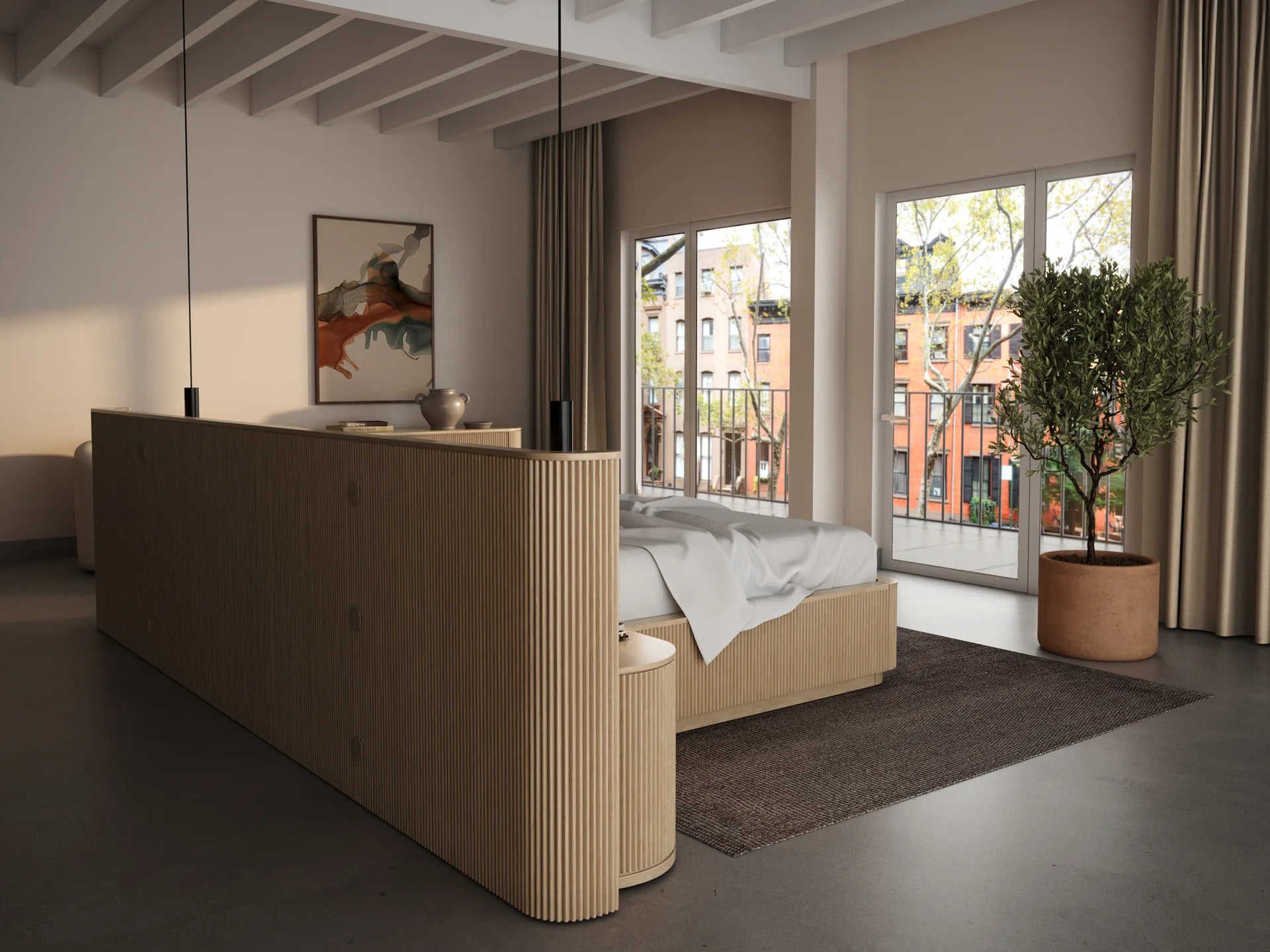
The most striking bedrooms in high-end boutique design share an open secret: they avoid the floating furniture look. In an expansive primary suite, a traditional standalone frame flanked by two separate, disconnected nightstands often feels temporary, like pieces arranged against a wall, waiting for the next move.
By stretching the silhouette past the traditional boundaries of the mattress, the bed becomes a permanent piece of architectural wall art, anchoring your entire bedside landscape into a single, cohesive vista of rest. If the textures, the ambient light, and the quiet space of your room form the artwork, the extended headboard functions as the definitive frame that holds the entire composition together.
The Architecture of the Extended Bedscape
When a bed frameset spans nearly twelve feet wide, it completely shifts the visual hierarchy of the room. It creates a powerful horizontal axis that grounds the space, allowing the rest of the architecture to breathe.
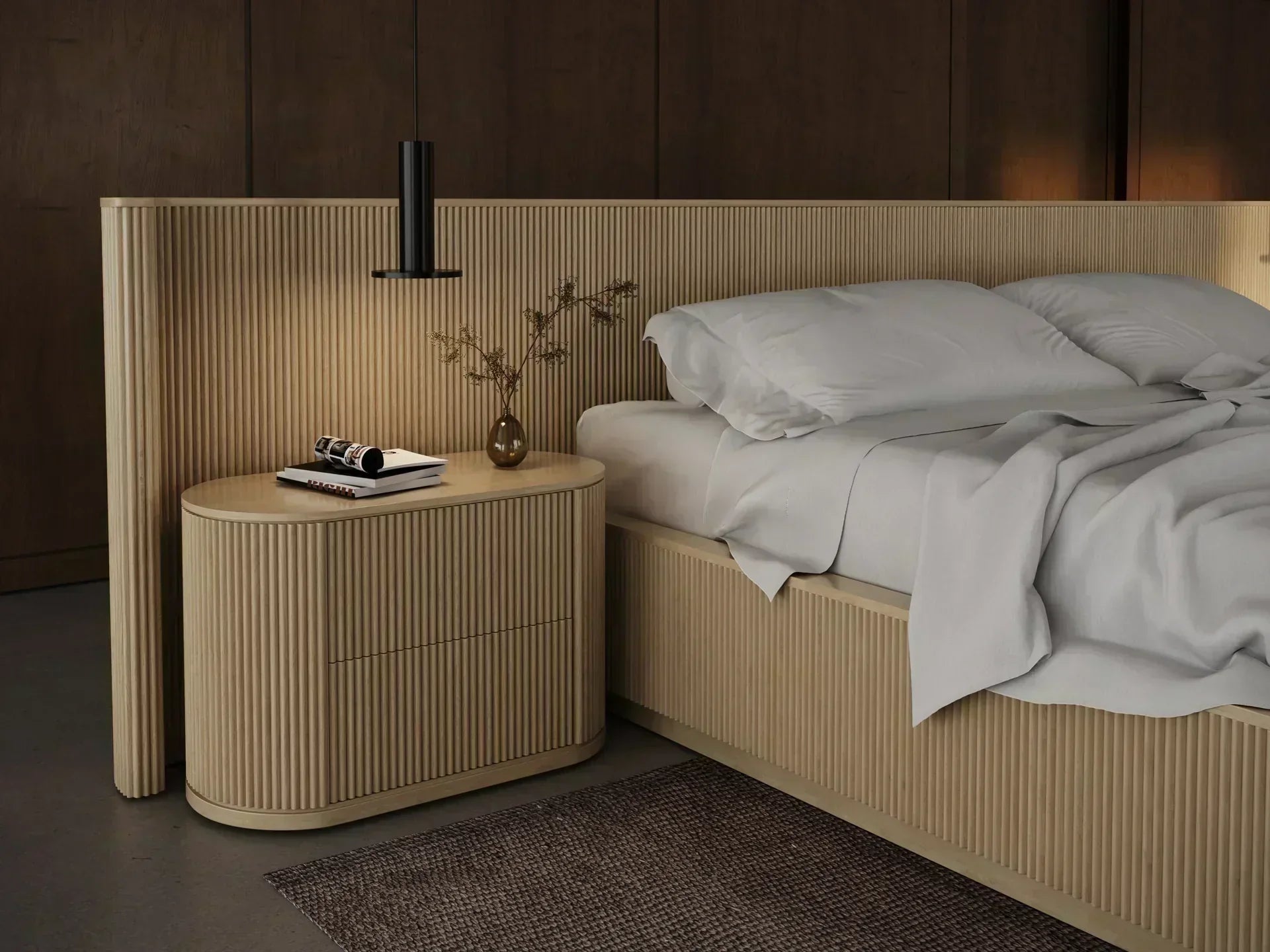
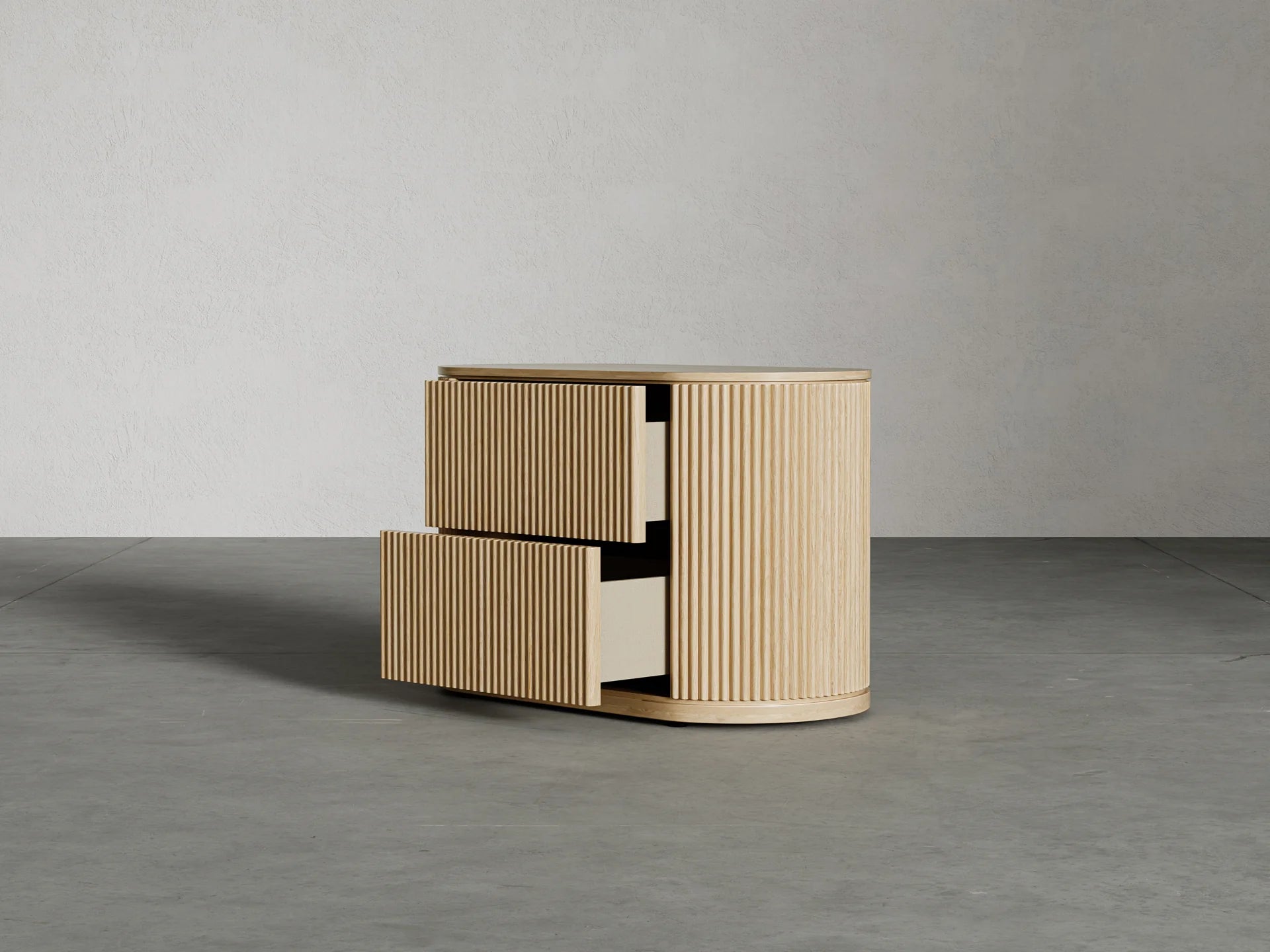
- Integrated Bedside Horizon: Instead of nightstands sitting next to your bed as an afterthought, an extended panel welcomes them into the design. They sit beautifully framed against the continuous backdrop of the headboard, delivering the clean, unified feel of custom built-in cabinetry.
- The Luxury of Restraint: This layout relies on the impact of scale. Because an oversized headboard provides such substantial visual weight and texture, it handles the decorative heavy lifting for you. You don't need a busy gallery wall or complex wallpaper to make the space feel finished; the architecture of the bed itself forms the view.
Sculptural Timber Lines
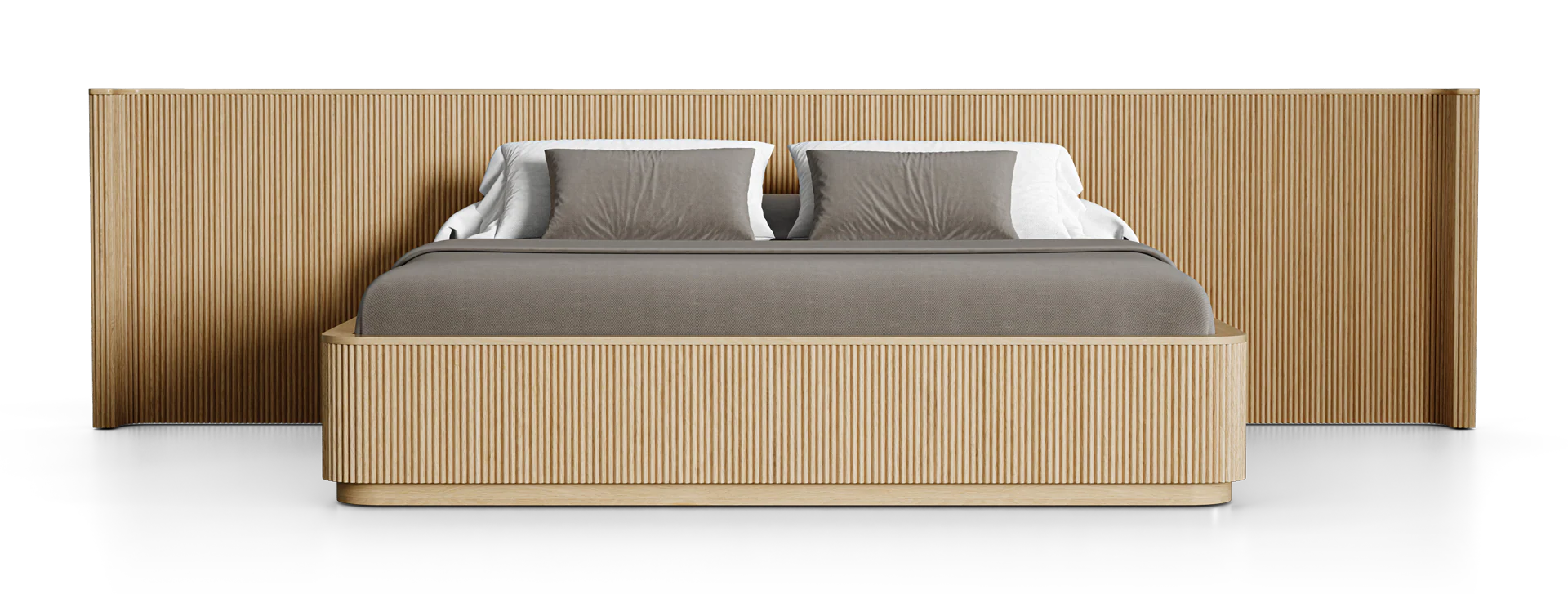
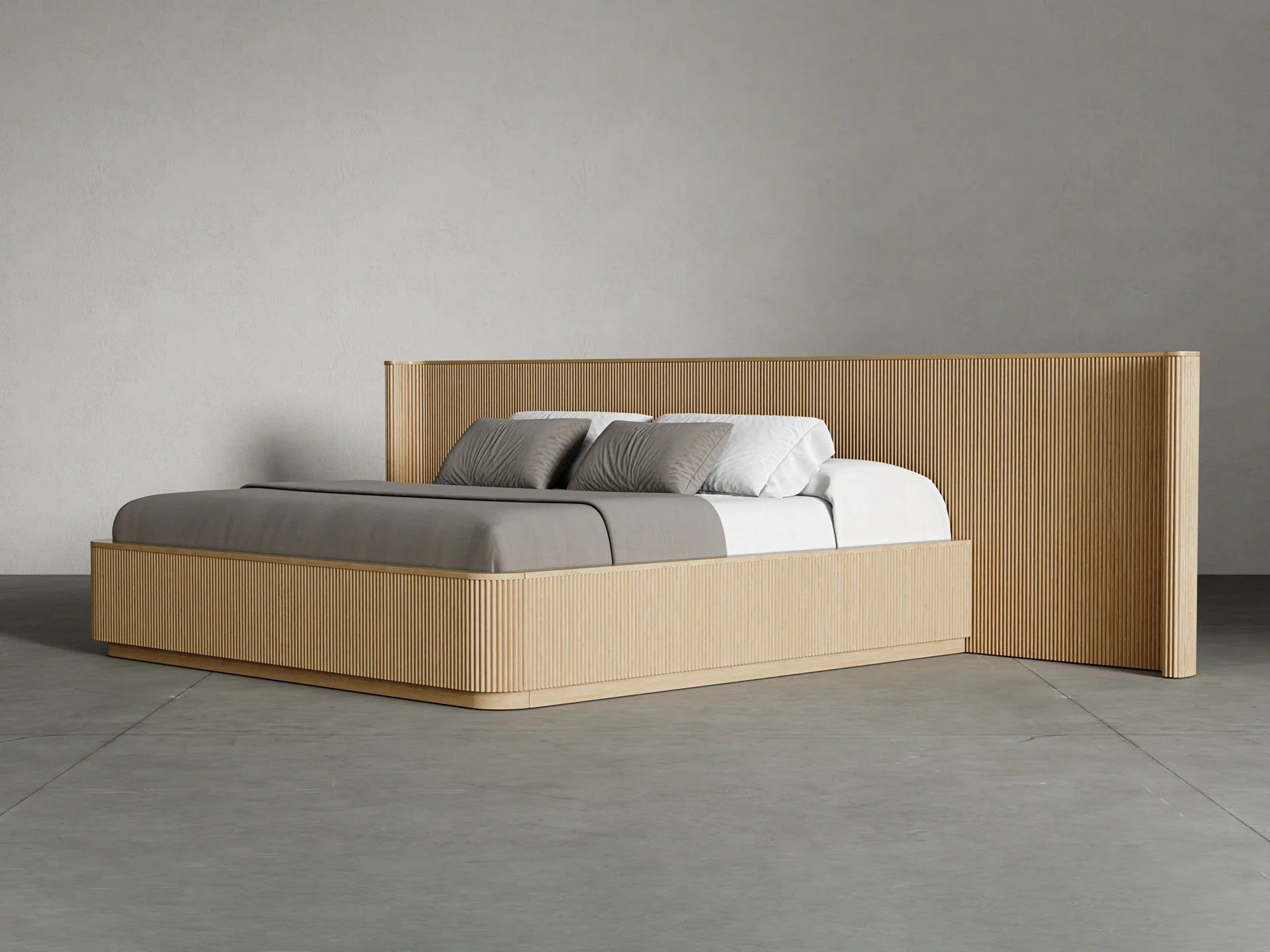
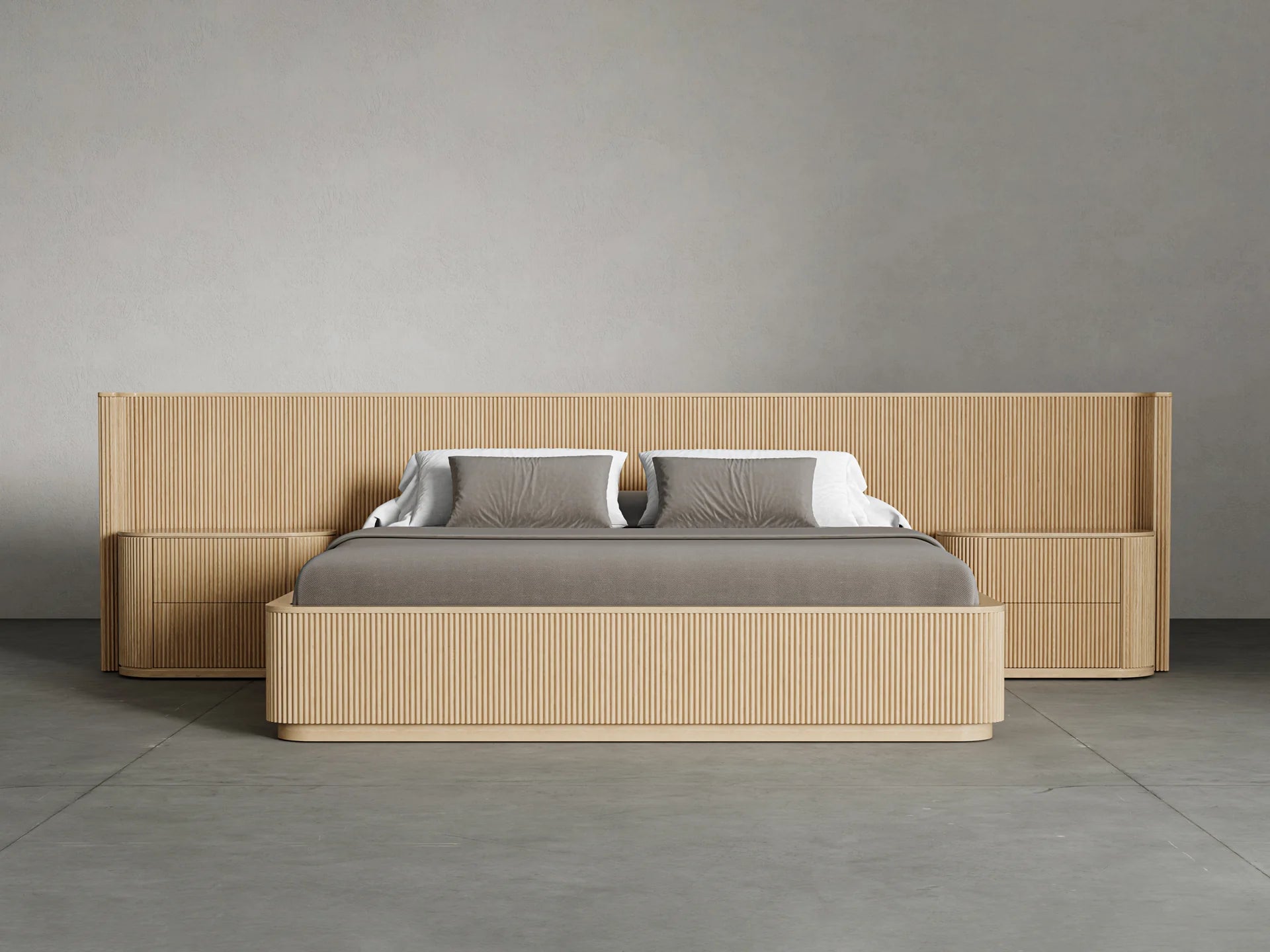
The Modloft Surabaya Extended Collection
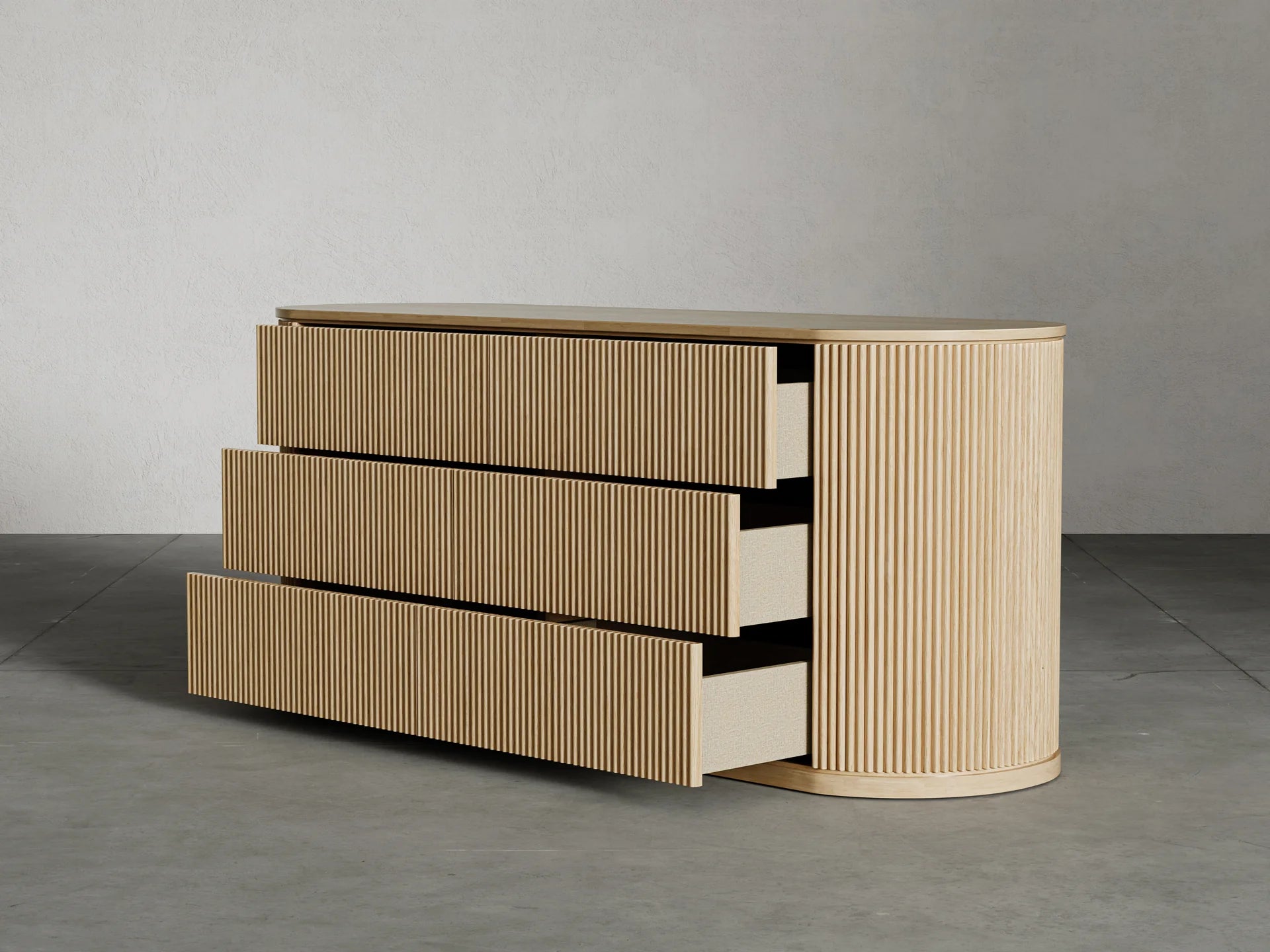
The Surabaya Extended Bed approaches scale through the warm, organic repetition of vertical wood fluting. Crafted from sustainably sourced rubberwood in a clean light oak finish, the continuous fluted detailing draws the eye across a commanding 150-inch King span.
The subtle, gentle curves of its wraparound wings create a quiet sense of privacy and enclosure around the bedside. It is an ideal choice for spaces that benefit from clean, sculptural aesthetics and the grounding warmth of natural wood textures.
Tailored Textiles and Layered Contrast
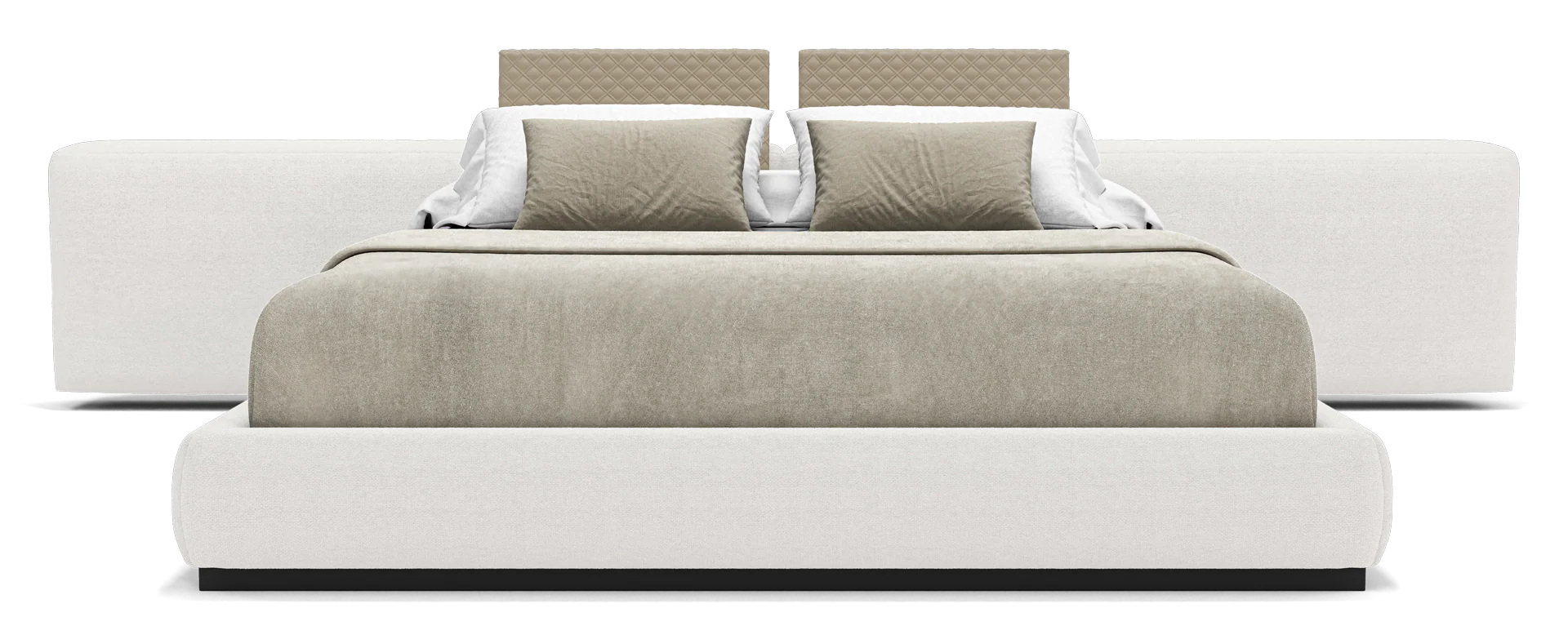
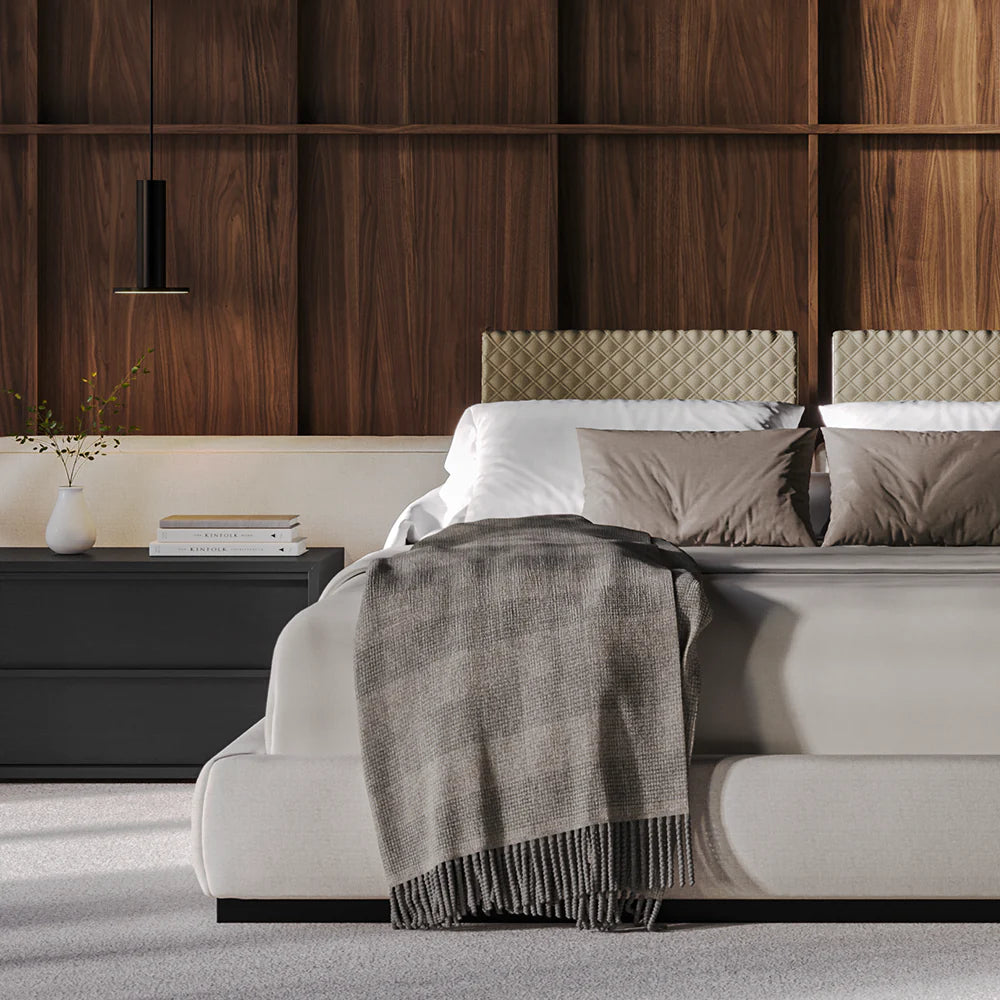
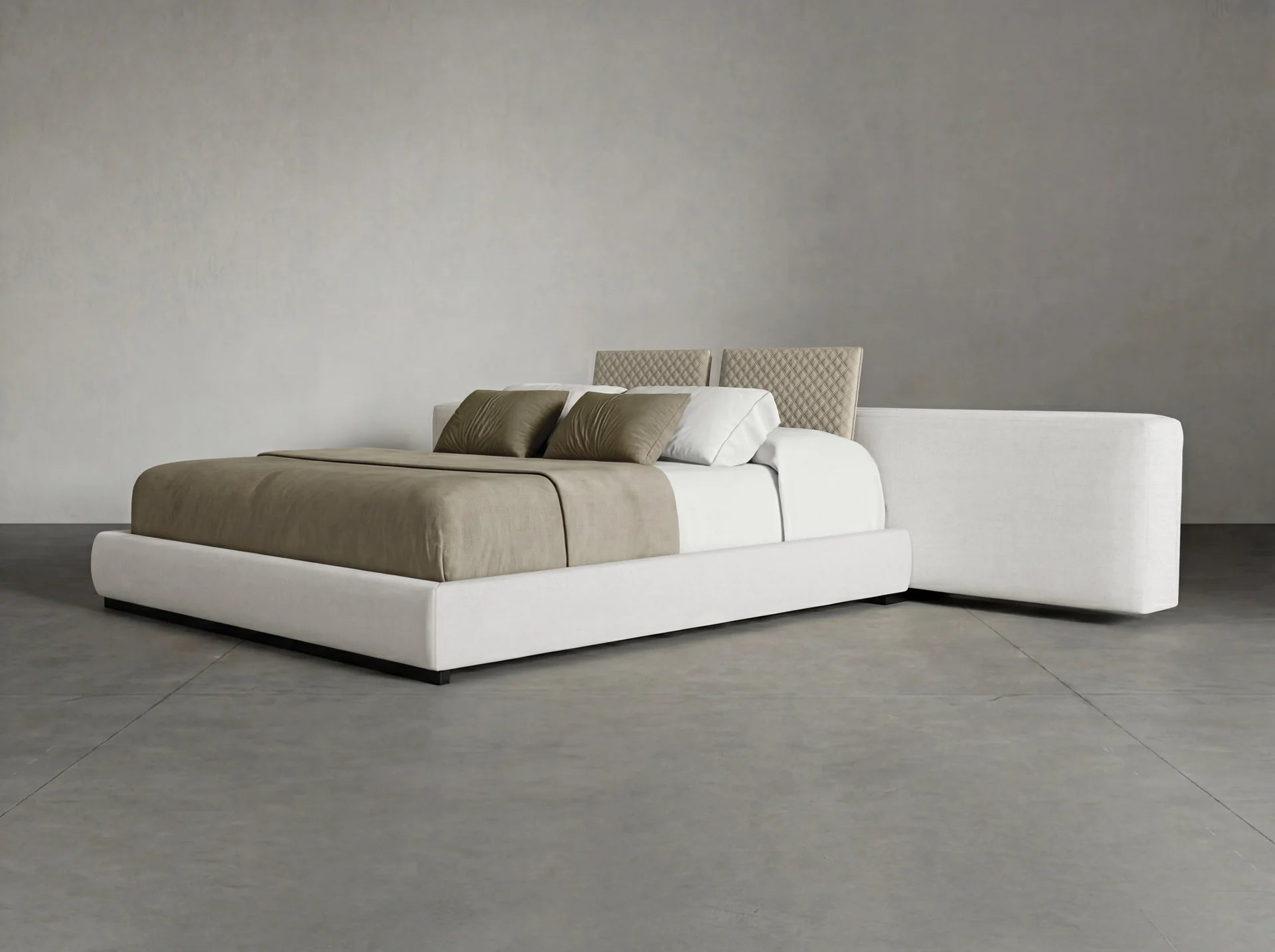
The Modloft Spruce Bed
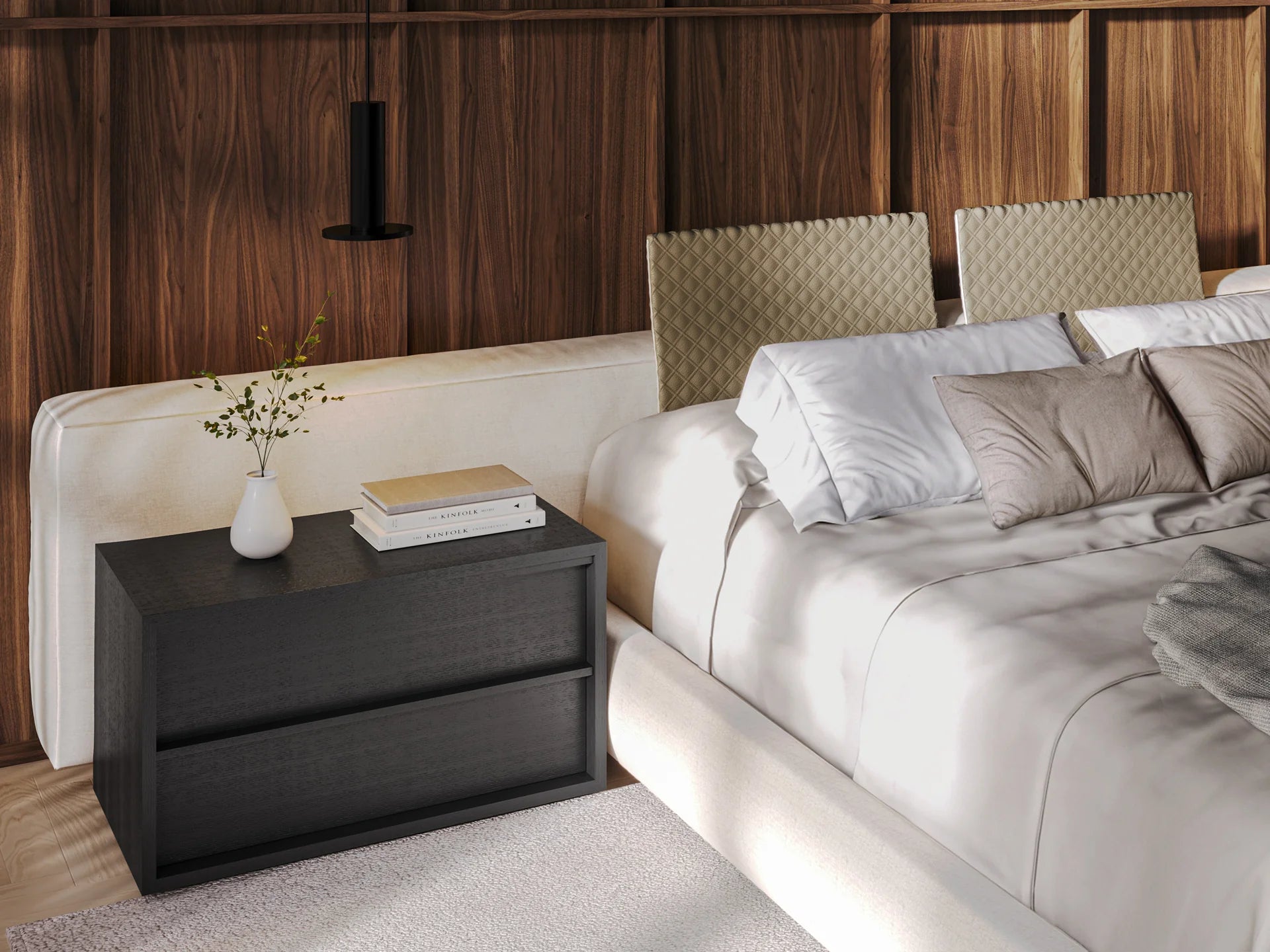
The Modloft Spruce Bed interprets the oversized headboard through the lens of tailored upholstery and refined, tactile comfort. Spanning 145 inches in the King silhouette, its wide upholstered frame wraps the wall in a soft, welcoming chalk fabric.
To break up the massive visual footprint and add editorial depth, the Spruce features removable, quilted headrests in a rich, contrasting taupe eco-leather. It is a European-leaning design that effortlessly balances commanding architectural scale with a soft, inviting touch.
Proportions and Clearance At a Glance
Because an extended headboard acts as a built-in architectural feature, understanding the exact spatial commitment is essential. Below are the precise horizontal footprints for both Modloft collections:
Queen Width
134 inches
129 inches
King Width
150 inches
145 inches
Material Profile
Light Oak
Fluted Rubberwood
Chalk Fabric
Taupe Eco-Leather
Primary Aesthetic
Minimalist
Architectural
Warm Wood
Tailored
Editorial
Boutique Hotel
Share:
The Best Sofa Bed for Living Rooms: The Newilla Collection